Why Your Tankless Water Heater Needs Regular Service
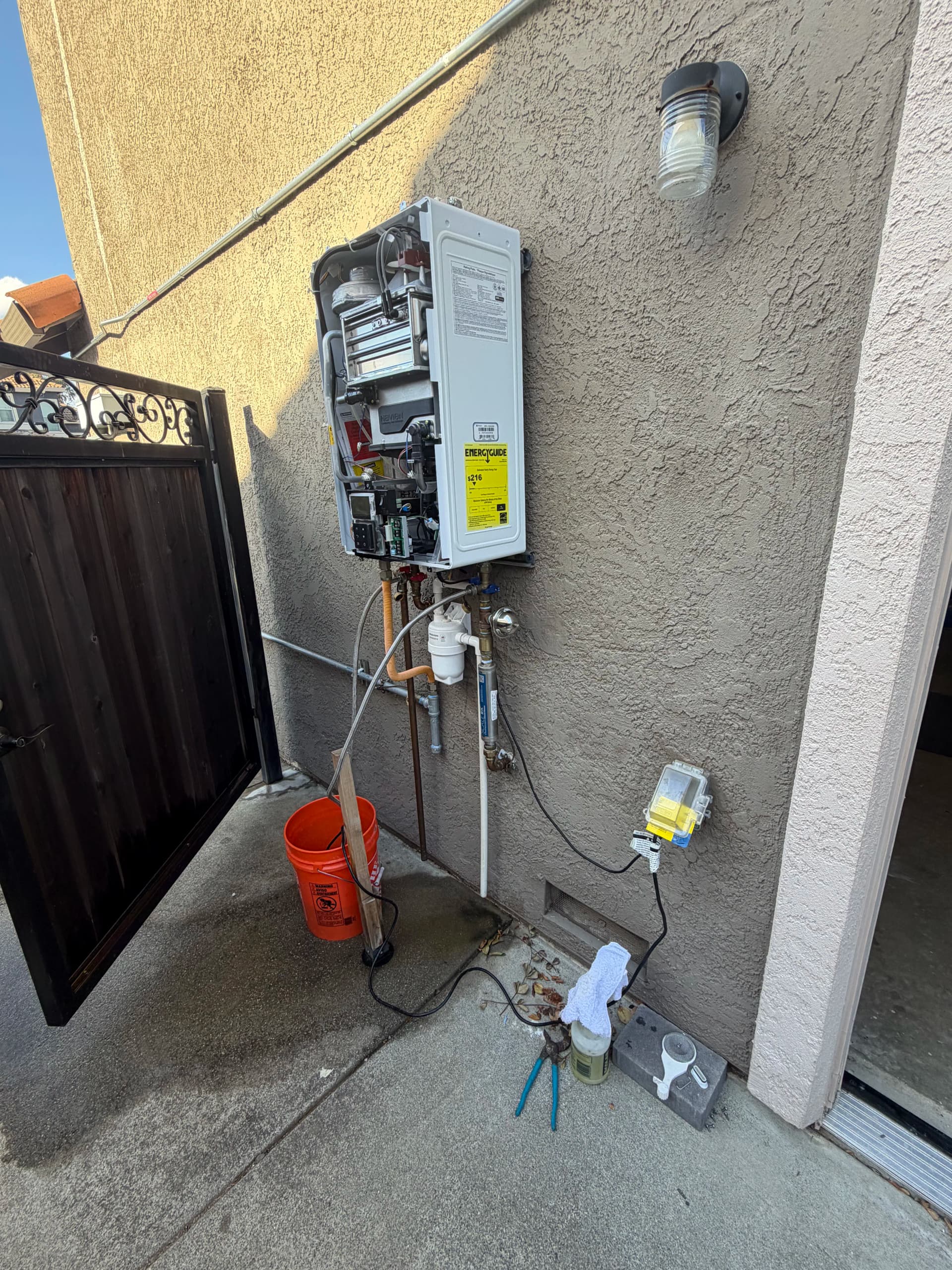
Most homeowners don't think about their tankless water heater until something goes wrong. No hot water in the morning, weird error codes, or water that just never gets quite hot enough. By then, the damage is usually already done - and the repair bill is a lot bigger than a routine service call would have been.
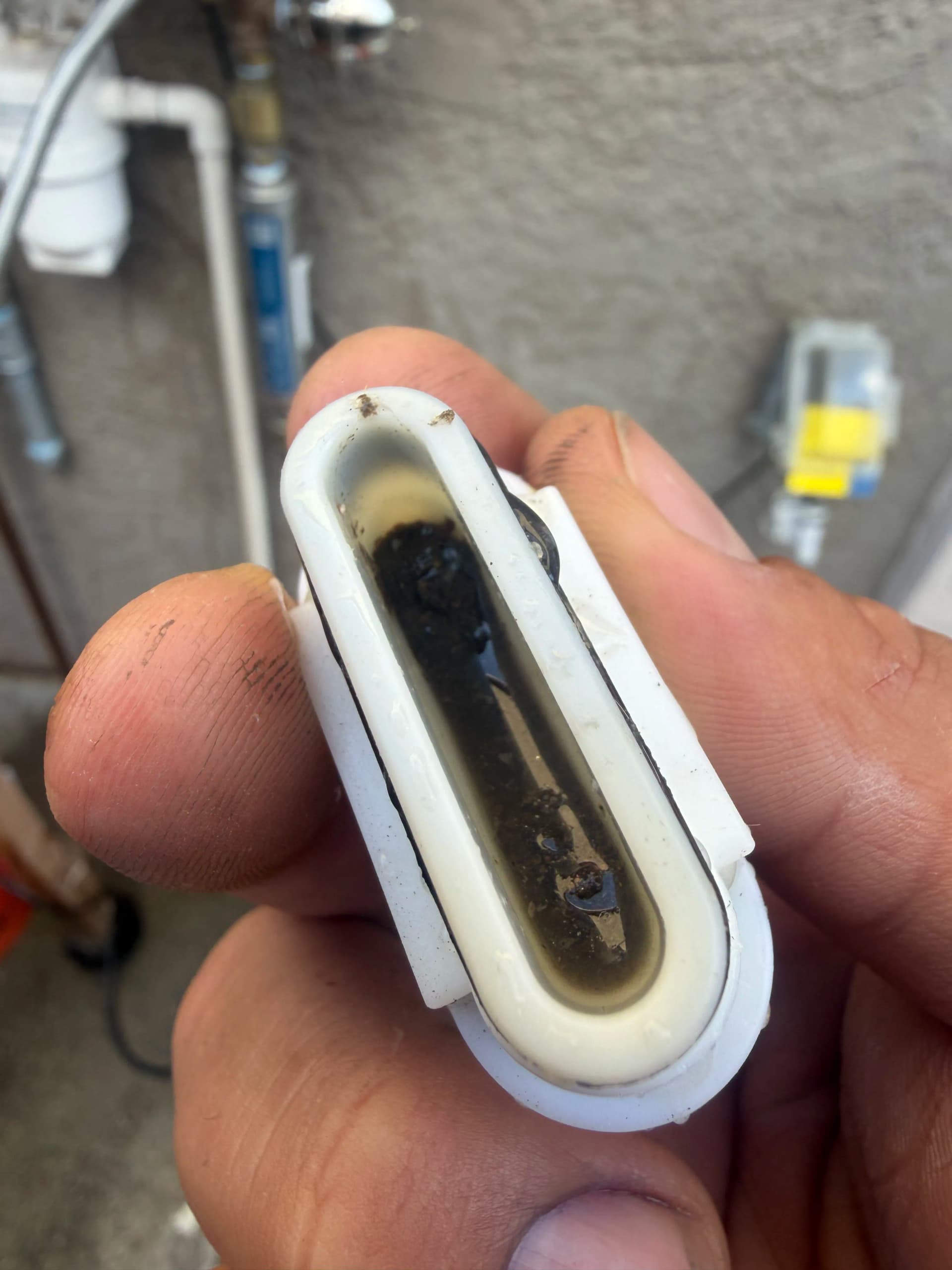
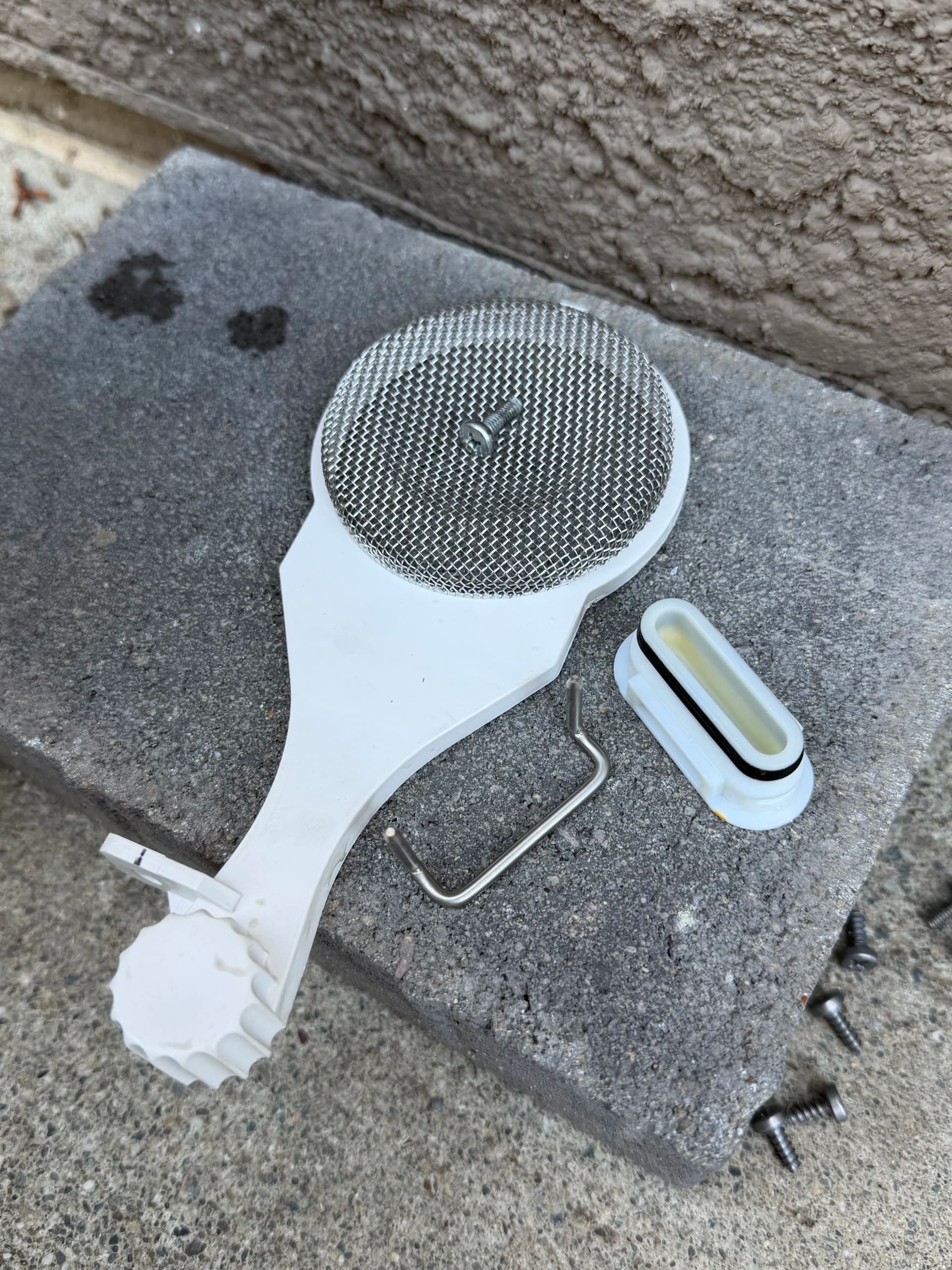
Here's what regular service actually looks like on a tankless unit. We pull the inlet filter screen and the flow sensor out, and what we find tells us a lot. When those components are packed with sediment and dark buildup - the kind you really can't see from the outside - the unit is working harder than it should just to deliver the same result. That extra strain adds up over time.
A clogged inlet filter restricts water flow into the unit. A gunked-up flow sensor can't accurately read how much water is moving through the system, which throws off the heating cycle. Left alone, these small issues quietly push the unit toward early failure. Caught early, they're a quick fix.
We go through the full system - filters, sensors, connections, and the unit itself - to make sure everything is clean, tight, and working the way it should. Tankless water heaters are built to last a long time, but that lifespan depends on how well they're maintained. Skipping service doesn't save money. It just delays a bigger expense.
If you can't remember the last time your tankless unit was serviced, that's probably your answer. Getting on a regular maintenance schedule is one of the easiest ways to protect the investment you've already made in your home's hot water system.