What Hard Water Does to Your Tankless Water Heater
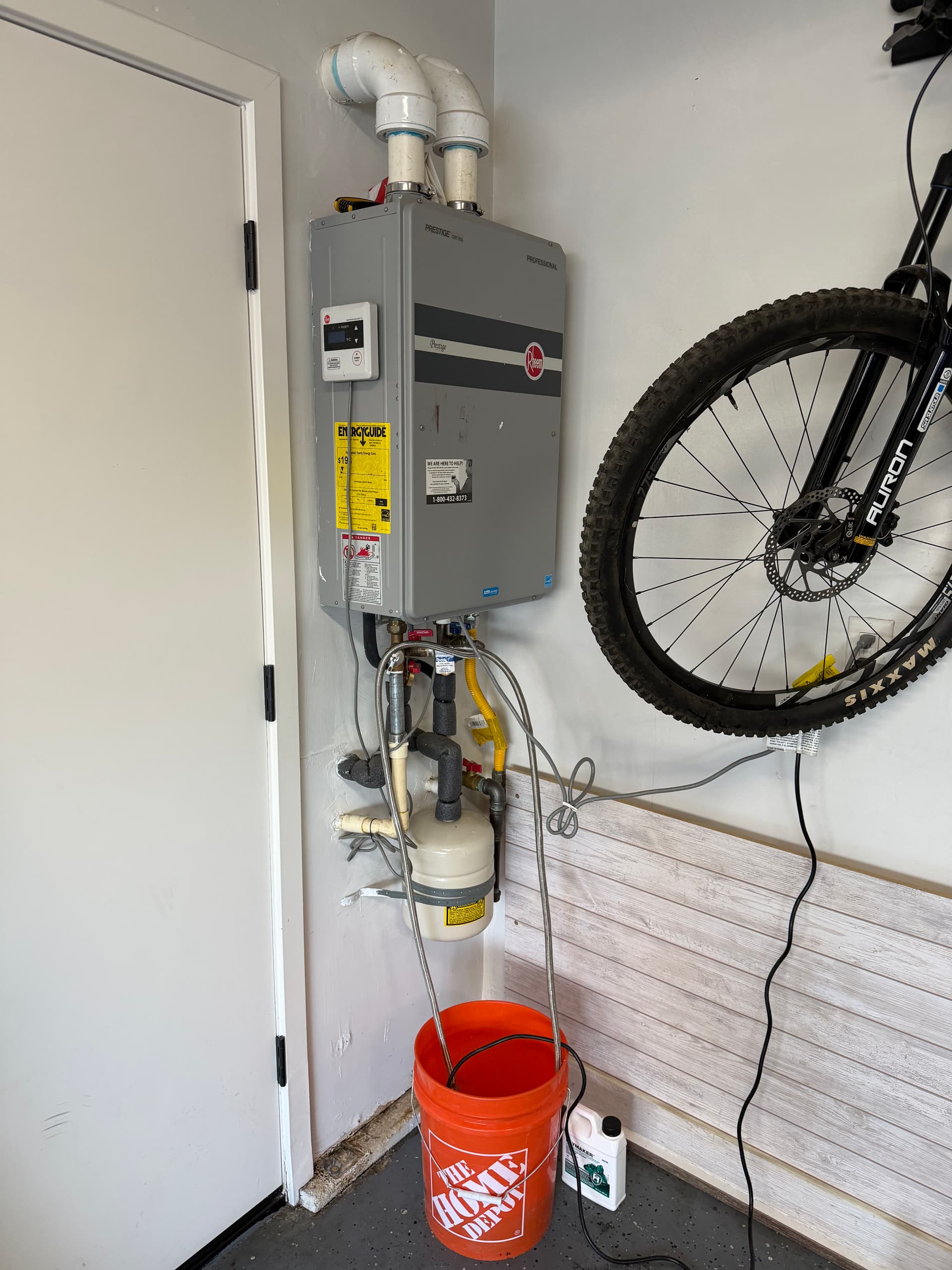
Most people don't think about their tankless water heater until something goes wrong. That's usually when they find out hard water has been quietly doing damage for years. Mineral buildup - mostly calcium and magnesium - coats the internal heat exchanger over time, forcing the unit to work harder just to deliver the same hot water.
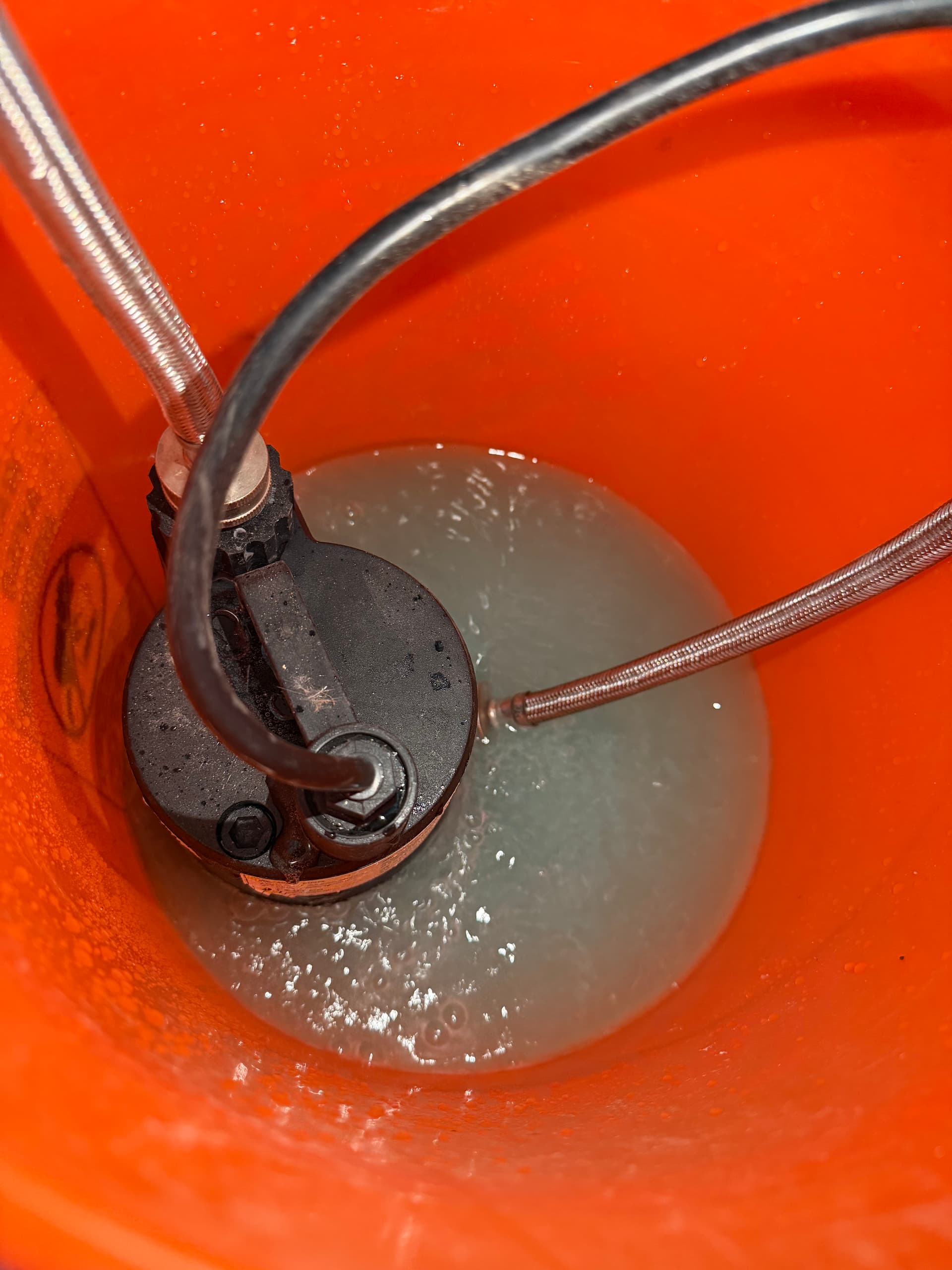
That milky, cloudy water you see coming out during a descale flush? That's the scale breaking loose. It's not pretty, but that's exactly the point. Getting that stuff out of the system is what keeps your unit running the way it should - efficiently, reliably, and without spiking your energy bills.
Here's what we're working with on a descaling job: the unit gets isolated, hoses get connected to the service ports, and a descaling solution gets circulated through the heat exchanger using a small pump. It's a methodical process. Done right, it clears out the buildup without damaging the components inside.
Sacramento has hard water. That's just the reality here. And for tankless water heater owners, that means descaling isn't optional - it's routine maintenance. Skipping it shortens the life of your system and can lead to error codes, reduced flow, or a full unit replacement way sooner than you'd expect. We've seen it plenty of times.
If your system hasn't been serviced in a while, or you're not even sure when it was last flushed, that's a sign it's time. Staying ahead of this kind of maintenance is always cheaper than dealing with the alternative.