Main Line Stoppage? Here's What's Actually Going On Inside Your Pipes
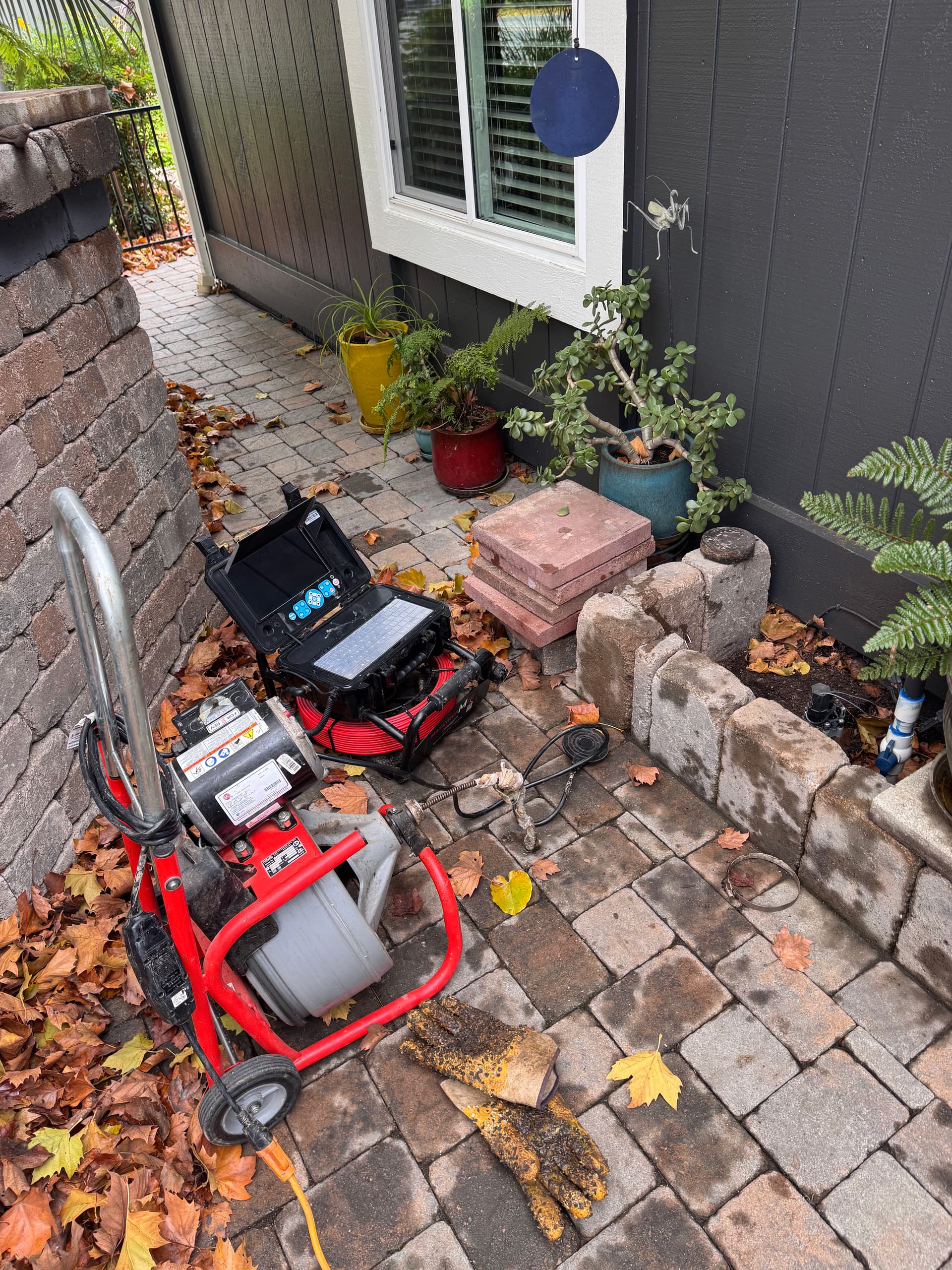
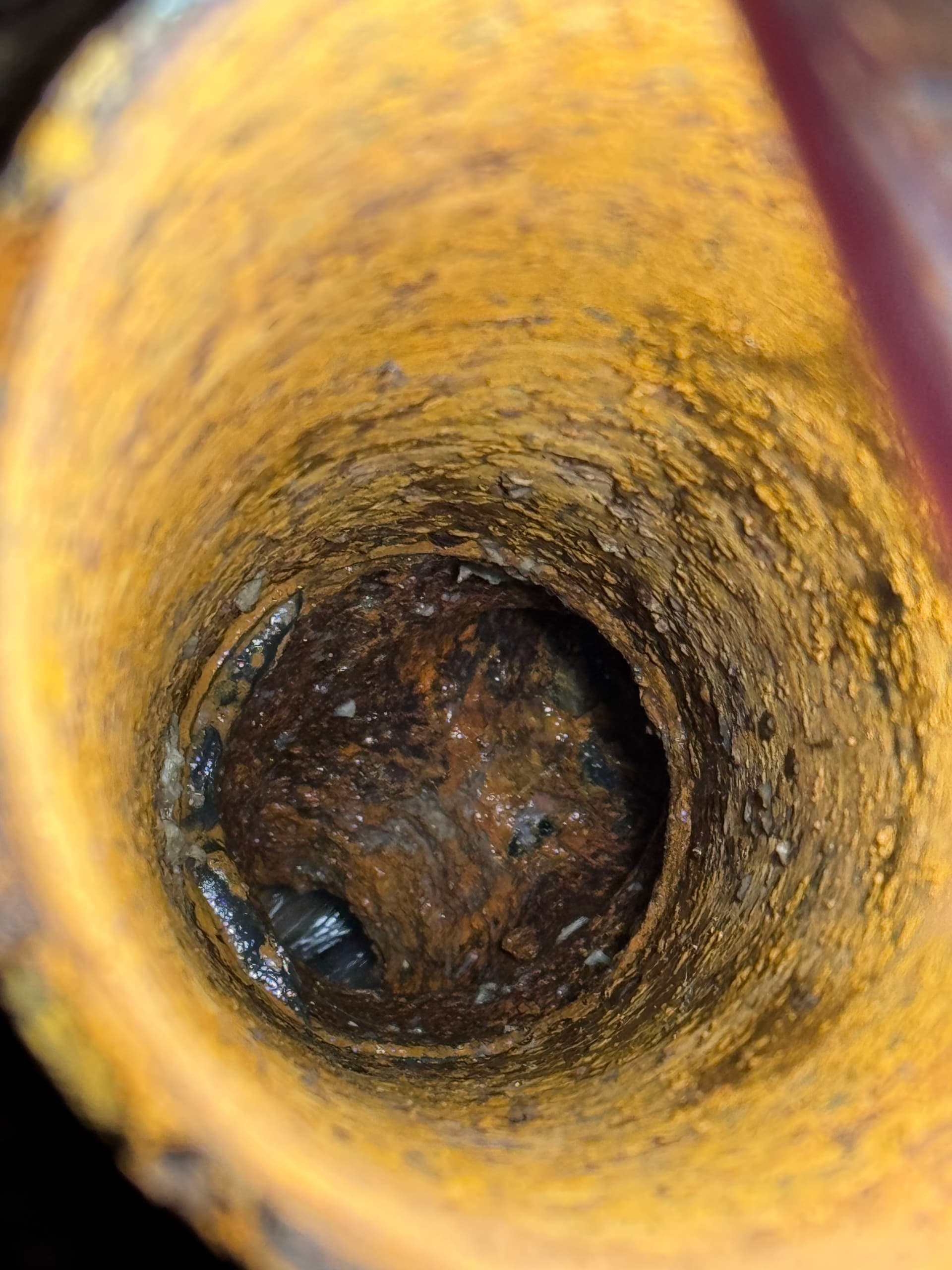
Main line stoppages are one of the most common calls we get. And in older homes with cast iron sewer lines, there's usually a pretty clear reason why - years of buildup coating the inside of the pipe until the opening gets so restricted that toilet paper and waste have nowhere to go. That's when things start backing up.
The camera inspection is where we always start. We run a line with a camera head down into the main and get eyes on exactly what's happening. No guessing, no assumptions. What we find with cast iron lines a lot of the time is heavy scaling and rust buildup that's narrowed the pipe down significantly. The inside walls that should be smooth are rough and corroded, and that texture grabs onto everything passing through.
Once we know what we're dealing with, we can talk through the right solution. Hydro jetting is one of the most effective options for this kind of buildup. It uses high-pressure water to blast through the scale and debris coating the pipe walls - not just punch a hole through the clog, but actually clean the line. That's a big difference. A snake can clear a stoppage temporarily, but if the buildup is still there, it's going to catch material again and you're right back to square one.
The camera inspection also gives us a chance to spot anything else worth knowing about - cracks, root intrusion, bad joints. You'd rather find out about those things before a full backup than after. It's just useful information to have, especially in a home with older plumbing.
If you've been dealing with slow drains or a full stoppage, especially in an older home, a camera inspection is the best first step. It tells us what we're working with and makes sure whatever solution we recommend actually makes sense for your specific line.